
Current Project
Water Quality Monitoring Project
Introduction The water quality monitoring work on the Thames, and its associated water courses in the Goring Gap area, is a significant part of GGEO’s environmental project work. Our first study started in May 2024 and since then we have undertaken three more in 2025 and 2026. The main objective of three of these studies […]
Find Out More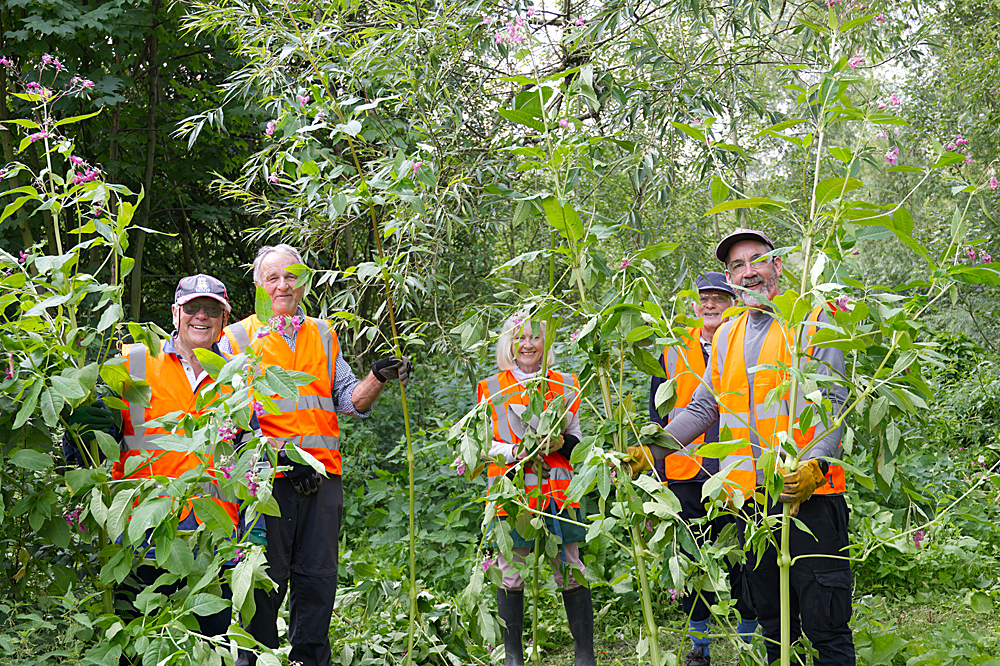
Current Project
Invasive, Non-Native Species Control
Controlling Britain’s most invasive, non-native plant - Himalayan Balsam (Impatiens glandulifera) Over 2,000 plants and animals have been introduced to Britain from all over the world, many intentionally by people, often believing the novelty of finding a new flowering plant will be welcomed and popular for one reason or another. Known as non-native species, most […]
Find Out More
Current Project
Goring Repair Café
Visit www.goringrepaircafe.info for all future dates and further information. Set and run by GGEO trustees, the first session of the Goring Repair Café was on 1 April 2023 in Goring Village Hall and was deemed a success. At our first event, 15 experienced repairers with a wide range of skills each had a workstation in […]
Find Out More
Current Project
Gardening for Wildlife
If you have noticed fewer bees, butterflies, worms, hedgehogs, spiders, insects and birds in your garden, then you are not alone. Where once our green and pleasant land was awash with wildlife enjoying the rich meadows, ancient forests and bustling cottage gardens, our countryside has changed, immeasurably, since the 1970s and around half our UK […]
Find Out More
Current Project
Support for endangered birds – Nest box building programme
Objective: To increase the local population of certain bird species which are generally declining by active intervention. First by prioritising which species can be helped most and creating awareness of some of these by publishing articles (eg ‘Save our Swifts’). Secondly, setting up a next box-building project involving experts demonstrating to children and their families […]
Find Out More


